Out there, more people from abroad are looking into housekeeping roles across Thailand – especially ones that come with legal work status. With tourism on the rise, spots like guesthouses, clinics, shopping centers, and apartment complexes need consistent upkeep. Places serving travelers often hire cleaners just to keep things running smoothly day to day. Office spaces and private housing projects add extra need too. Steady visitor numbers mean these jobs stick around longer now.
On this page
- Cleaning Jobs in Thailand with Work Permit
- Cleaning jobs thailand 2026 key highlights
- Thailand Has Cleaning Jobs
- Hospitality and Tourism Industry
- Commercial Buildings and Offices
- Healthcare and Facility Cleaning
- Common Cleaning Jobs in Thailand
- Hotel Housekeeping Jobs
- Office Cleaner Jobs
- Residential Cleaning Jobs
- Industrial Cleaning Jobs
- Main Duties And Responsibilities Of Cleaning Workers
- Maintaining Clean Areas
- Proper Use of Cleaning Equipment
- Following Hygiene Standards
- Reporting Problems
Most days, someone’s wiping down surfaces others will touch hours later. Think office desks at dawn, guest bathrooms between check-ins, cafeteria floors after lunch rushes. Not every cleaner does the same tasks – some swap trash bags while others buff marble lobbies. A school janitor handles different messes than a hospital sanitation worker. Work changes based on where they show up each morning. Some tackle grease near kitchen hoods. Others manage chemical spills in labs or strip wax off gym flooring. Each setting brings its own list of invisible rules. Hotels demand fresh linens within tight windows. Factories need debris cleared before shifts start. No single title covers it all – roles shift like floor types under their boots.
Before sending an application, those from outside the country need clear knowledge of role responsibilities. Knowing needed abilities matters just as much as grasping visa rules. Getting it right means lining up facts ahead of time instead of rushing later. Steps must match official hiring paths without shortcuts. Clarity comes from checking details early rather than guessing along the way.
Cleaning Jobs in Thailand with Work Permit
Out there among bustling city streets, Thailand’s service sector keeps calling for skilled cleaners. Not just a background detail – spotless spaces shape how guests feel about their stay. Offices rely on tidy setups so work flows without hiccups. Public spots need regular care to run smoothly each day. Safety at job sites ties closely to upkeep practices. Professional looks matter more than many realize. Standards rise when maintenance stays consistent.
Most days bring a new list of tasks, shaped by where the job takes place. Hotel rooms need fresh linens after guests leave, yet office spaces demand dusted desks before morning light. Shopping centers keep floors clear through busy hours, whereas factories handle heavy grime daily. Hospitals follow strict routines for safety zones. Private homes may ask for quiet attention, unlike loud retail corners needing constant upkeep.
Most folks from overseas hoping to clean homes or offices in Thailand need a proper job pass first. Getting one usually means following government rules that shift now and then. Your hiring company might set extra steps too. Jumping into work without approval can cause problems later. Rules differ based on where you’re coming from and who’s paying your wage.
Cleaning jobs demand care, sharp observation, proper timing, also a clear grasp of directions. Even if positions seem basic at first, having real cleaning background might open more doors later.
Working these roles might build practical abilities while exposing staff to global work settings. Some pick up know-how through daily tasks alongside teams from different countries.
Cleaning jobs thailand 2026 key highlights
Most places need people who keep spaces clean. From offices to hospitals, workers make sure areas stay tidy. Because of them, visitors feel more comfortable walking in. Without this work, clutter and mess would build up fast. A lot depends on these efforts behind the scenes. Places run smoother when surfaces are wiped and floors swept.
Important highlights include:
- Opportunities in hotels, offices, and facility services
- Practical workplace experience
- Different cleaning career paths
- Skill development opportunities
- Professional service industry experience
Training opens doors. Experience builds paths forward. Growth shows up when skills deepen over time
From morning till night, cleaning staff keep spaces tidy through steady effort. Their work supports smooth days by removing clutter and hazards alike. Without fuss, they maintain order where others do their jobs. Safety grows quietly under their routine care.
Keep in mind, pay and perks come down to who’s hiring plus what rules apply at the time. How long you work each day might shift based on company policy. Where you stay could be up to your employer’s offer. Getting a work permit often ties back to legal steps set by authorities. Each detail rides on decisions made separately by different sides.
Check details carefully before you apply. Anyone offering a job too good to be true might not mean what they say. Always look twice at the offer. Promises that sound amazing often fall apart fast.
Thailand Has Cleaning Jobs
Not just one corner of Thailand’s economy skips out on cleaners. With every new shop opening, higher bar gets set for spotless spaces – expectations push firms to hire trained crews instead of cutting corners. Clean floors mean fewer complaints; trust builds when surfaces stay wipe-ready each morning. Expansion brings pressure, sure – but messiness loses customers faster than bad reviews ever could.
Hospitality and Tourism Industry
Out of Thailand’s busy streets come places where people stay, eat, or visit – each one needing crews to keep things tidy. Hidden behind guest smiles are teams wiping, sweeping, and freshening spaces day after day. From beachfront bungalows to downtown diners, someone always cleans up afterward. Even quiet mountain lodges depend on workers who reset rooms by morning. Wherever travelers land, care follows in mops, cloths, and steady routines.
Cleaning workers help maintain:
- Guest rooms
- Public areas
- Restaurants
- Reception areas
- Facilities
Clean spaces often feel better to people visiting. A tidy spot can make guests stay longer without saying a word.
Commercial Buildings and Offices
Clean spaces need workers who keep things tidy. Offices rely on these helpers to stay presentable each day.
Office cleaners may handle:
- Workspaces
- Meeting rooms
- Common areas
- Building facilities
Comfort grows where dust doesn’t pile up. Productivity often follows when space feels clear.
Healthcare and Facility Cleaning
Few places need staff who know exact ways to clean. Not every site asks for it, yet some do insist on precise methods. Workers might have to follow steps exactly as taught there.
Responsibilities may include:
- Maintaining hygiene standards
- Following safety guidelines
- Cleaning specialized areas
- Using approved cleaning methods
What you need changes based on where you work.
Common Cleaning Jobs in Thailand
Cleaning work offers a range of roles. Depending on what someone knows or has done before, there are options to explore.
Hotel Housekeeping Jobs
From room changes to bathroom wipes, someone always tidies up at hotels.
Responsibilities include:
- Cleaning guest rooms
- Replacing supplies
- Organizing spaces
- Reporting maintenance issues
- Following hotel standards
Cleaning in hospitality demands sharp eyes. Tiny oversights show fast where guests stay. A speck here, a smudge there – they add up quick. Precision keeps spaces feeling cared for. Messy corners whisper neglect. Spotless surfaces speak respect. The little things? They carry weight every time.
Office Cleaner Jobs
Office cleaners help companies maintain clean business environments.
Tasks may include:
- Cleaning desks and rooms
- Managing waste areas
- Maintaining shared spaces
- Organizing supplies
What matters most is showing up the same way every time. Dependability builds trust without needing to explain it.
Residential Cleaning Jobs
Cleaning work happens inside homes when helpers arrive to tidy up spaces. These workers handle chores where people live, making areas like kitchens or bathrooms clearer each visit.
Duties may include:
- General cleaning
- Organizing rooms
- Maintaining hygiene standards
- Completing assigned cleaning schedules
Industrial Cleaning Jobs
Big spaces like factories sometimes need crews that handle cleanup. Cleaning jobs pop up where storage areas stretch wide. Places with heavy machinery often rely on workers who manage messes across broad floors.
Tasks can include:
- Cleaning work areas
- Supporting safety standards
- Managing equipment areas
- Following workplace procedures
Watchfulness matters most where machines run. Though risks hide in routine tasks, staying alert cuts danger short. Because equipment never stops humming, workers must stay one step ahead always.
Main Duties And Responsibilities Of Cleaning Workers
Cleaning workers perform essential tasks that help maintain healthy and organized environments.
Common responsibilities include:
Maintaining Clean Areas
From time to time, staff check their zones to keep things tidy and in place. Sometimes a quick sweep happens just before someone needs the space. When clutter shows up, it gets cleared without waiting. Every corner stays usable because attention comes regularly. Things stay smooth when people know where items belong.
Proper Use of Cleaning Equipment
Employees may use:
- Cleaning tools
- Machines
- Approved products
- Safety equipment
Using things right makes work faster, keeps people safe too. How you handle tools shapes how well the day goes, fewer accidents happen then.
Following Hygiene Standards
Cleaning experts stick to rules that keep things consistent and secure.
Reporting Problems
Workers may report:
- Damaged items
- Maintenance issues
- Safety concerns
Showing up ready to do the work matters when you clean for a living. Not because anyone says so, but because it makes things move right.
Thailand hospitality jobs visa sponsorship requirements 2026
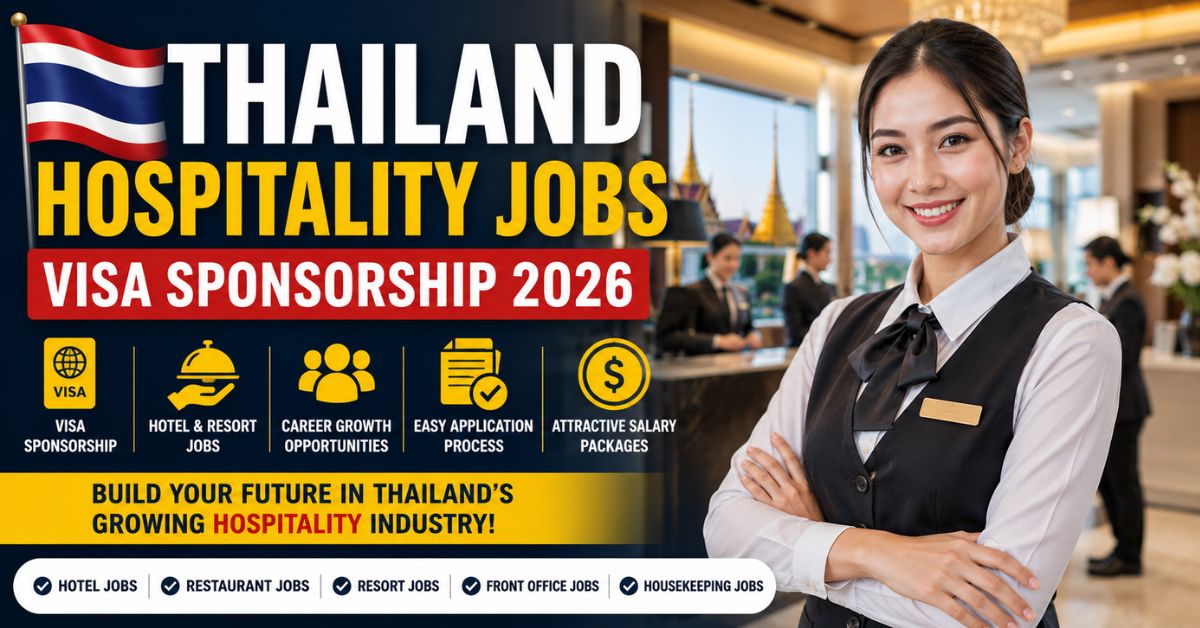
Not every workplace asks for the same thing when hiring into Thailand’s guest services field with visa help by 2026. Each position fits a specific path – what matters often shifts based on whether it’s lodging, dining, travel, or customer care work. Rules set by authorities mix with company needs and past work background to shape what counts. Some places want years behind them, others look at skills more closely. Type of role plays a strong part too – not one size fits all in how things are judged.
Starting out in hospitality often means showing you can talk well with people, handle guests kindly, staying upbeat. Moving up might mean having studied formally, holding official papers, or having done similar work before.
Educational Requirements
Some roles in hotel help areas might skip needing heavy school degrees. Instead, bosses watch how well someone handles real tasks, acts on the job, works with guests. What matters tends to be clear behavior, steady habits, a calm way of helping people out. Learning by doing shows up more than paper credits sometimes. A solid attitude can outweigh long study paths here. Real know-how? That gets noticed quicker than diplomas alone.
Still, certain roles might lean toward applicants who studied or trained in:
- Hospitality management
- Tourism studies
- Culinary arts
- Hotel operations
- Customer service
- Business management
Those aiming at skilled roles might stand out more with extra practice. Supervisors often need sharper skills, which further learning can build slowly.
hospitality job experience needed
Besides past roles in hotels or restaurants, knowing how things run day to day often makes hiring more likely. Workers who’ve been on the floor before tend to grasp what good service looks like. Expectations in fast environments? They’re already familiar. Getting up to speed takes less time when routines aren’t new.
Useful experience includes:
- Hotel operations
- Restaurant service
- Housekeeping
- Customer support
- Tourism services
- Food and beverage operations
- Reception work
Some high-end hotels expect more experience when hiring for top roles. A longer work history often helps land those jobs.
Start by laying out what you have done before. Show your duties without guessing at meaning. Use plain words to describe abilities gained along the way. While sharing past roles, keep details grounded. Because clarity matters, skip vague terms. Instead, name tasks directly. What mattered then still counts now – include it simply.
Skills for Working in Thai Hotels and Restaurants
Working in hospitality means balancing job-specific abilities with how you act around others. Because staff interact daily with guests and coworkers, getting your message across clearly really matters. Service that feels genuine tends to stick in people’s minds longer than perfect words ever could.
Customer Service Skills
A warm welcome often matters more than fancy decor when guests arrive. Staff who listen closely tend to leave stronger impressions. Helping someone feel heard builds trust faster than quick fixes ever could. Moments of genuine attention stick around long after checkout. People remember how a place made them feel, not just what it offered.
Professional workers should provide:
- Friendly communication
- Helpful support
- Problem-solving ability
- Respectful behavior
- Positive guest experiences
Success often follows when employees truly listen. Workers who pay attention tend to get ahead. Paying close means better results happen. Getting ahead comes easier if needs are noticed first. Attention brings rewards in ways people forget.
Communication Skills
Hospitality employees communicate with guests, managers, and coworkers every day.
Good communication helps with:
- Understanding guest requests
- Preventing mistakes
- Improving teamwork
- Creating better service experiences
Knowledge of multiple languages may be helpful in international hospitality environments.
Teamwork and Adaptability
Teamwork across divisions keeps hotels running smoothly. Workers in dining areas depend on support from behind-the-scenes staff. Coordination between kitchen crews and front desk teams ensures service flows without delays. Staff from housekeeping often step in when event schedules get tight. Cooperation spreads beyond job titles, linking roles that might seem unrelated at first glance.
Successful hospitality workers usually:
- Support coworkers
- Adjust to changing situations
- Follow instructions
- Handle busy periods professionally
When crowds swell at popular times of year, being able to shift gears matters most.
Organization and Time Management
Folks running hotels stick to tight timetables just to keep things smooth. Service rules shape how they move through each day.
Employees should manage:
- Daily responsibilities
- Guest requests
- Workplace priorities
- Assigned tasks
Good organization helps maintain service quality.
Thailand Visa Rules and Work Permits
Working in Thailand’s hotels or restaurants means foreign job seekers must stick to government rules. Not just showing up – paperwork needs finishing first. Jumping through hoops like visas and work permits keeps everything on track. Skipping steps leads to trouble later. Anyone planning a move has to treat laws seriously, no shortcuts allowed.
Most times, a company might help a qualified worker from another country get the needed papers to work legally. Still, whether that support exists relies on several factors
- Employer policies
- Job position
- Applicant qualifications
- Current government rules
Some roles in hotels or restaurants won’t cover visa costs – check what’s offered first. Before sending anything, make sure you know if help with paperwork is part of the deal. A few positions might assist, others won’t mention it at all. Always look closely at each listing to see where they stand.
A general process may include:
Finding an Eligible Employer
Look into firms that lay out how they hire, what they expect. Those details matter when applying.
Reliable sources include:
- Official hotel websites
- Recognized job platforms
- Hospitality recruitment services
- Company career pages
- Always verify employer information.
Getting a Job Offer
Employers may review:
- Skills
- Experience
- Qualifications
- Interview performance
Most times, a real job offer comes first when dealing with work papers. Getting hired often follows only after that piece arrives.
Prepare necessary documents
Common documents may include:
- Passport
- Updated resume
- Educational documents
- Experience letters
- Professional certificates
What you need changes based on government guidelines along with what companies ask for.
How to apply for hospitality jobs in Thailand 2026
Getting hired often depends on how well you handle each step of applying. A solid approach opens doors that might otherwise stay shut.
Choose Your Path in Hospitality
Those looking to join should pick roles fitting what they can do.
Examples:
- Hotel receptionist
- Housekeeping worker
- Restaurant employee
- Chef
- Guest service assistant
- Tourism support worker
Picking roles that fit your background makes each submission stronger. A job hunt focused on match cuts noise. Targeting wisely shapes better outcomes naturally.
Create a Professional Resume
Your resume should highlight:
- Hospitality experience
- Customer service skills
- Language abilities
- Training certificates
- Previous responsibilities
Truth stays sharp when details are clean. Professionalism shows in how you hold facts straight. What matters gets clearer without clutter crowding it. Precision speaks louder than polish ever could.
Truth matters since companies often check what you say. A lie can unravel when someone takes a closer look.
Find Reliable Places to Look for Jobs
Looking up these terms might help:
- Thailand hospitality jobs visa sponsorship 2026
- Hotel jobs Thailand for foreigners
- Resort jobs Thailand
- Hospitality careers Thailand
Start with well-known sites instead of unknown ones. Official channels from the company work better than third-party links.
Prepare for interviews
Common interview topics include:
- Previous experience
- Customer service examples
- Teamwork ability
- Problem-solving skills
- Availability
Showing up with care changes how people see you.
Thailand hospitality jobs offer steady work with room for growth
Working in hospitality builds skills that last a lifetime, offering real-world practice along the way. A career here shapes abilities through daily challenges instead of theory alone.
International Work Experience
From Thailand, staff often pick up how worldwide hotel practices work alongside diverse team dynamics. A workplace there mixes routines from many cultures, shaping sharper awareness over time. Exposure comes naturally when daily tasks blend different backgrounds under one roof.
Working abroad could open doors down the road. A stint in another country might just shape what comes next. Paths often shift after time spent overseas. New places sometimes lead to new roles later on.
Professional Skill Development
Hospitality workers can improve:
- Communication
- Leadership
- Customer relations
- Organization
- Problem solving
Finding work in different fields gets easier with these abilities. Skills like these open doors almost everywhere people earn a living.
Career Growth Opportunities
Given enough time on the job, workers can step into roles like these:
- Senior receptionist
- Team leader
- Department supervisor
- Hotel manager
- Hospitality operations manager
Skills shape progress, yet results hinge just as much on how things go day to day. What opens up around you plays a big role too, often shifting outcomes without warning. Effort matters, but timing can tilt everything.
Applicants Often Make These Errors
Mistakes happen often – sidestepping them leads to wiser choices for those applying.
Applying Without Research
Before applying, always check:
- Employer background
- Job requirements
- Contract details
- Looking into things cuts down on confusion.
Sending a Weak Resume
Skills and experience need to stand out right away on a good resume.
Avoid incomplete or inaccurate information.
Believing Unrealistic Promises
Be careful with offers claiming:
- Guaranteed approval
- Instant visas
- No requirements needed
- Working legally means doing things by the rules.
Job Advice for People Seeking Work in Hotels and Restaurants
To improve preparation:
- Build customer service experience
- Improve communication skills
- Learn hospitality standards
- Keep documents ready
- Research employers carefully
- Apply professionally
Getting ready well makes your whole image better. A solid start shapes how others see you entirely.
Also Read:Germany Work Visa Guide 2026 – Process, Requirements & Jobs
FAQs
-
Can foreigners apply for Thailand hospitality jobs?
Applicants from outside the country can submit their interest – provided they satisfy what the employer asks for, along with sticking to standard hiring steps.
-
Do all Thailand hospitality jobs provide visa sponsorship?
Maybe. It changes based on who’s hiring, the job type, and what rules apply.
-
What hospitality jobs are common in Thailand?
Working at a hotel often means cleaning rooms or greeting guests when they arrive. Some people cook meals for visitors instead, preparing food behind the scenes. Others take orders in dining areas, moving between tables throughout the day. A few handle check-ins, managing reservations from a front desk. Supporting travel plans is another path, helping organize trips quietly. Each job fits into the wider picture of visitor services.
-
Is experience required for hospitality jobs?
Starting out might mean stepping into jobs that ask for little past work, yet moving up often means showing you’ve done it before. Higher-level spots tend to look closely at who has already walked the path.
-
How can applicants find genuine hospitality jobs?
Start by checking the actual site run by the company itself. Another path leads through well-known job platforms that people rely on daily. Hiring paths approved by industry groups also show real openings.
Final Thoughts
Working in Thailand’s hospitality field might open doors by 2026, especially if visas are backed by employers. People keen on hotels, travel spots, eateries, or helping guests could find their footing here. This line of work builds hands-on know-how, sharpens abilities tied to service jobs, while also teaching global expectations firsthand.
Start by picking up skills that matter for the job. A solid application often begins with clear examples of past work. Look into companies before applying – knowing their setup helps. Following the correct hiring steps makes a difference in results.